Lesson 2: Nature as Medicine
Foods, Plants, Flowers and Oils as Medicine
Nature's medicine is not only available in forests and oceans. It arrives through what we eat, what we breathe, what we place on our skin, and what we bring into our homes.
The relationship between what we ingest and how we feel is one of the most direct and most underutilised healing interventions available. As Michael Pollan's distillation of nutritional research so elegantly puts it: eat food, not too much, mostly plants. Simple in statement. Radical in its implications for most people's actual relationship with food.
During and after periods of significant healing work, the body has heightened nutritional needs. The nervous system requires consistent blood sugar, adequate protein, omega-3 fatty acids and a broad spectrum of micronutrients to support both the physiological work of stress recovery and the neurological work of building new patterns. The gut — connected to the brain via the vagus nerve and home to the vast majority of the body's serotonin — is particularly sensitive to dietary choices during periods of emotional intensity. What we eat is not separate from how we heal. It is part of how we heal.
For low mood and emotional depletion: Cacao — rich in flavonoids that support blood flow to the brain and reduce inflammation, directly supporting mood regulation. Bananas — a significant source of vitamin B6, which supports the synthesis of serotonin and dopamine. Rose — documented in clinical research to function as a natural antidepressant and anxiolytic, most easily accessed through rose tea or food-grade rose water. Basil — rich in linalool, supporting mood regulation and reducing inflammation.
For stress and nervous system support: Ginger and lemon balm — both soothe the central nervous system and support digestive calm, which is often one of the first systems disrupted by chronic stress. Apples — support the body's recovery from acute stress. Reishi mushroom — one of the most extensively researched adaptogens, supporting immune function, mood, sleep and hormonal balance simultaneously. Berries — high in antioxidants that address the inflammation that accompanies chronic stress and trauma.
For sleep: Cherries — a natural source of melatonin. Chamomile and lavender — among the most well-documented and widely used herbal sleep supports. Rosemary — emerging research points to its active constituents, rosmarinic and carnosic acid, as effective supports for nervous system calming, anxiety and sleep. Jasmine — used as a sleep tonic across multiple herbal traditions.
For immune support during periods of healing: Turmeric — profoundly anti-inflammatory, supportive of liver function and extensively researched. Garlic and onion — antimicrobial, supportive of detoxification processes. Green tea — supports immune cell activity and cardiovascular health. Vitamin C, vitamin D and zinc — the three most evidence-supported micronutrients for immune resilience, particularly during periods of physiological and emotional stress.
Essential Oils
Essential oils — the concentrated aromatic compounds of plants — offer another deeply accessible form of nature's medicine. Used aromatically, topically or in the bath, they work directly on the limbic system — the brain's emotional processing centre — through the olfactory nerve, which is the only sensory pathway that bypasses the thalamus and connects directly to the brain structures governing emotion and memory.
This is why a scent can transport you, immediately and completely, to a time, a place or a feeling. It is not nostalgia. It is neuroscience.
The following oils are those I most consistently recommend in the context of healing and nervous system support:
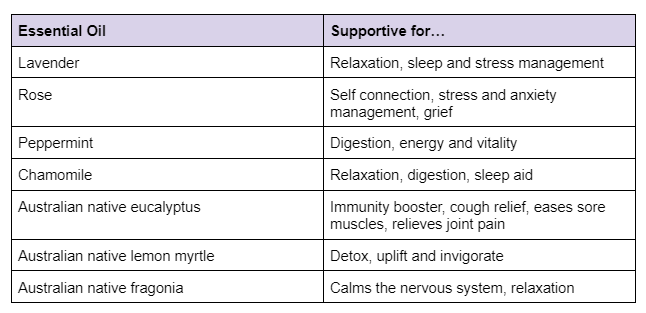
A note on quality: the therapeutic value of essential oils is directly related to their purity and sourcing. Choose oils from reputable suppliers who can provide information on their distillation methods and botanical sources. Many commercial oils are adulterated or synthetic and will not provide the same effects.
Flower Essences
An easy and potent way to incorporate flower medicine into your life is through the use of flower essences (my favourite brand is Bach Flower Remedies).
Bach Flower Remedies offer one of the gentlest and most accessible forms of emotional support available through the plant world. Working at a vibrational level rather than a biochemical one, they address specific emotional patterns and states — bringing balance without sedation, without side effects, and without contraindications with other medicines.
Flowers are so nurturing for our energy and emotions and something that I personally couldn’t live without. Here are some of my favourites, that I frequently recommend to clients:
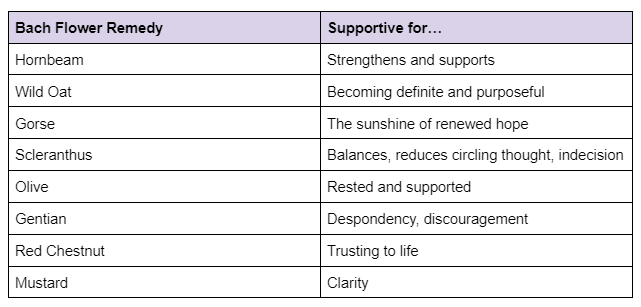
Rescue Remedy — a blend of five individual remedies — Cherry Plum, Clematis, Impatiens, Rock Rose and Star of Bethlehem. The foundational first aid remedy for moments of acute stress, shock, overwhelm or emotional flooding. Carry it. Use it without hesitation when the nervous system is in distress.
These remedies are available individually or in combination and can be taken in water throughout the day, placed directly under the tongue, or added to a bath. I
work with Bach Flower Remedies with many of my clients and find them to be gentle, reliable companions through periods of emotional intensity and transition.
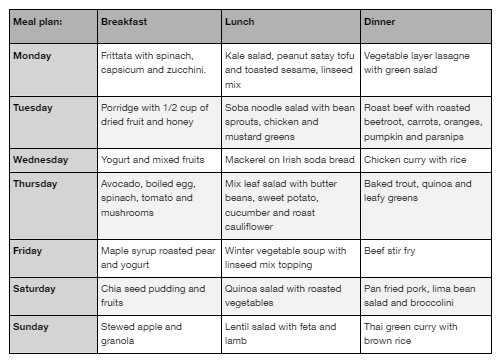
MEAL PLAN #1
MEAL PLAN #2
Your Meal Plans
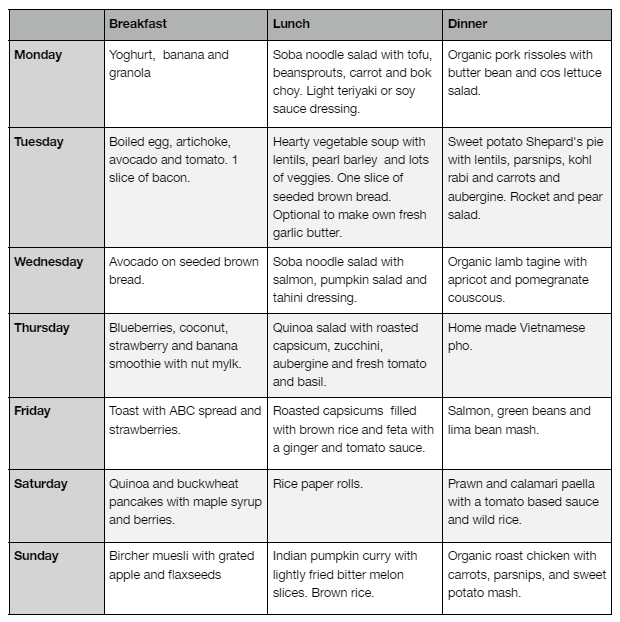
Two weeks of wholefood meal plans — created to nourish your nervous system, support your gut health and sustain your energy through the demands of this healing work — are available for download below.
The key principle behind both plans is simplicity and colour: the greater the variety of plant foods and the broader the spectrum of colours on the plate, the greater the diversity of phytonutrients, antioxidants and micronutrients being delivered to the body. Eat the rainbow. Begin wherever feels accessible. Any movement toward more whole, less processed food is progress — and progress, however incremental, deserves to be celebrated.
Arjuna x